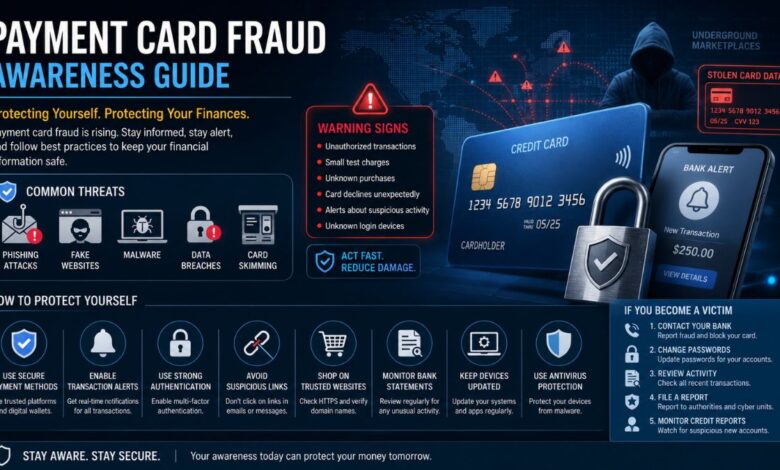
Payment card fraud has become one of the most common forms of cybercrime in today’s digital economy. As online shopping, digital banking, and contactless payments continue to grow, criminals have ultclub also developed more advanced methods to steal and misuse financial data. In cybersecurity discussions, names like Ultclub are sometimes referenced in connection with underground ecosystems where stolen payment card information may circulate. While users should avoid engaging with or investigating such platforms directly, understanding the risks they represent is essential for personal and financial safety.
This guide focuses on awareness and practical protection strategies against payment card fraud, helping individuals recognize threats, reduce risk exposure, and respond effectively if fraud occurs.
Understanding Payment Card Fraud
Payment card fraud occurs when someone uses a credit or debit card without the owner’s permission. This can happen in physical environments, but it is far more common online due to the large amount of digital financial activity.
Fraudsters may obtain card information through:
- Data breaches from online services
- Phishing websites or emails
- Malware or spyware on devices
- Fake online stores
- Skimming devices on ATMs or payment terminals
- Social engineering attacks
Once card information is stolen, it may be sold or exchanged in underground cybercrime ecosystems. Platforms discussed in cybersecurity research, such as Ultclub, are often associated with the broader concept of stolen financial data circulation.
Why Payment Card Fraud Is Increasing
Several factors contribute to the rise of payment card fraud globally:
1. Growth of Online Transactions
More people are shopping and paying bills online than ever before, creating more opportunities for attackers.
2. Data Breaches
Large organizations store millions of payment records. When these systems are compromised, attackers gain access to valuable financial data.
3. Weak Password Practices
Many users still reuse passwords across multiple platforms, making it easier for attackers to access financial accounts.
4. Sophisticated Cybercrime Networks
Cybercriminal groups are becoming more organized, using advanced tools to automate attacks and distribute stolen data efficiently.
5. Lack of Awareness
Many victims fall for fraud simply because they are unaware of common warning signs.
How Payment Card Data Is Stolen
Understanding how fraud happens is the first step in preventing it. Common attack methods include:
Phishing Attacks
Fraudsters send fake emails or messages pretending to be banks, payment providers, or online stores. These ultclub.tm messages often contain links to fake login pages designed to steal card details.
Fake Websites
Cybercriminals create websites that look identical to legitimate online stores. When users enter their payment details, the information is captured by attackers.
Malware
Malicious software installed on devices can record keystrokes, capture screenshots, or steal stored payment data.
Data Breaches
Hackers target companies that store customer payment information. Once breached, the data is often sold or distributed.
Card Skimming
Physical devices placed on ATMs or card readers can copy card information when users swipe or insert their cards.
Warning Signs of Payment Card Fraud
Early detection can reduce the damage caused by fraud. Warning signs include:
- Unauthorized transactions on your bank statement
- Small “test” charges before larger fraudulent transactions
- Notifications of purchases you did not make
- Card declines despite having sufficient funds
- Alerts from your bank about suspicious activity
- Unknown devices logged into your financial accounts
If any of these signs appear, immediate action is necessary.
The Role of Underground Ecosystems
Cybersecurity researchers often study underground ecosystems where stolen financial data is traded. Platforms like Ultclub are referenced in this context as part of broader discussions about how payment card data circulates after being stolen.
These ecosystems typically function by:
- Aggregating stolen card data
- Allowing cybercriminals to buy and sell information
- Supporting fraudulent transaction activities
- Providing tools for illegal financial exploitation
While users should never attempt to access such systems, understanding their existence highlights the importance of strong financial security practices.
How to Protect Yourself from Payment Card Fraud
Preventing fraud requires a combination of awareness, technology, and safe behavior.
1. Use Secure Payment Methods
Whenever possible, use trusted payment platforms or digital wallets that offer extra security layers instead of directly entering card details on unfamiliar websites.
2. Enable Transaction Alerts
Most banks offer real-time notifications for every transaction. This allows you to quickly detect unauthorized activity.
3. Use Strong Authentication
Enable multi-factor authentication for banking apps and financial services. This adds an extra layer of protection beyond passwords.
4. Avoid Suspicious Links
Do not click on unknown links in emails, SMS messages, or social media posts that request financial information.
5. Shop Only on Trusted Websites
Ensure that websites are legitimate before entering payment details. Look for secure connections (HTTPS) and verify domain names carefully.
6. Regularly Monitor Bank Statements
Review your financial statements frequently to identify any unusual transactions early.
7. Keep Devices Updated
Update your phone, computer, and apps regularly to patch security vulnerabilities that attackers might exploit.
8. Use Antivirus Protection
Security software can detect malware that attempts to steal financial data.
What to Do If You Become a Victim
If you suspect payment card fraud, act immediately:
Step 1: Contact Your Bank
Report the fraudulent transactions and request to block or cancel your card.
Step 2: Change Account Passwords
Update passwords for banking and related accounts to prevent further access.
Step 3: Review Recent Activity
Check your transaction history to identify all unauthorized charges.
Step 4: File a Report
Report the fraud to relevant financial authorities or cybercrime units in your country.
Step 5: Monitor Credit Reports
Keep an eye on your credit profile to ensure no additional fraudulent accounts are opened in your name.
The Importance of Cyber Awareness
One of the strongest defenses against payment card fraud is awareness. Many attacks succeed not because of technical weaknesses, but because users are unaware of the risks.
Educating yourself and others about phishing, scams, and safe online behavior can significantly reduce the chances of becoming a victim.
Cybersecurity is a shared responsibility between financial institutions and users. While banks invest heavily in fraud detection systems, individuals must also adopt safe practices in their daily digital activities.
The Future of Payment Security
Payment systems continue to evolve with improved security technologies, including:
- Biometric authentication such as fingerprint and facial recognition
- Tokenization, which replaces card data with secure tokens
- Artificial intelligence–based fraud detection
- Behavioral analytics for identifying suspicious activity
- Contactless payment security enhancements
These innovations aim to make digital payments safer while maintaining convenience for users.
Conclusion
Payment card fraud remains a serious global cybersecurity threat, fueled by increasingly sophisticated cybercriminal networks and growing digital transactions. Platforms referenced in cybersecurity research, such as Ultclub, highlight the broader ecosystem where stolen financial data may circulate, reinforcing the importance of vigilance and awareness.
By understanding how fraud occurs and adopting strong protective measures—such as secure payment habits, real-time monitoring, and multi-factor authentication—users can significantly reduce their risk exposure.
Ultimately, protecting yourself from payment card fraud is not just about reacting to threats but preventing them through consistent, informed, and proactive digital behavior.